Lorem ipsum dolor sit amet, consectetur adipiscing elit. Aliquam euismod est eu libero faucibus fringilla. Pellentesque habitant morbi tristique senectus et netus et malesuada fames ac turpis egestas. Quisque id erat lacus. Vestibulum ut lorem arcu. Integer a tortor eget arcu fringilla egestas eget in libero. Sed laoreet viverra molestie. Interdum et malesuada fames ac ante ipsum primis in faucibus.
Fusce volutpat tristique ex in malesuada. Donec luctus nunc et magna vulputate laoreet. Curabitur malesuada efficitur ipsum. Etiam vulputate mi sed elit fringilla consectetur. Donec arcu nulla, elementum vitae iaculis nec, mattis eget sapien.
“The Cavendish Women in Physics have made unparalleled contributions to the Cavendish Laboratory’s extraordinary history of discovery and innovation in Physics and continue to do so.”
Lorem ipsum dolor sit amet, consectetur adipiscing elit. Aliquam euismod est eu libero faucibus fringilla. Pellentesque habitant morbi tristique senectus et netus et malesuada fames ac turpis egestas. Quisque id erat lacus. Vestibulum ut lorem arcu. Integer a tortor eget arcu fringilla egestas eget in libero. Sed laoreet viverra molestie. Interdum et malesuada fames ac ante ipsum primis in faucibus. Fusce volutpat tristique ex in malesuada. Donec luctus nunc et magna vulputate laoreet. Curabitur malesuada efficitur ipsum. Etiam vulputate mi sed elit fringilla consectetur. Donec arcu nulla, elementum vitae iaculis nec, mattis eget sapien.
Etiam enim metus, gravida ut est eu, suscipit cursus elit. Praesent in ante fermentum, consequat ipsum eleifend, rhoncus lectus. Etiam massa nunc, ultrices in vulputate quis, pretium et sem.
Button Text Goes HereLorem ipsum dolor sit amet, consectetur adipiscing elit. Aliquam euismod est eu libero faucibus fringilla. Pellentesque habitant morbi tristique senectus et netus et malesuada fames ac turpis egestas. Quisque id erat lacus. Vestibulum ut lorem arcu. Integer a tortor eget arcu fringilla egestas eget in libero. Sed laoreet viverra molestie. Interdum et malesuada fames ac ante ipsum primis in faucibus. Fusce volutpat tristique ex in malesuada. Donec luctus nunc et magna vulputate laoreet. Curabitur malesuada efficitur ipsum. Etiam vulputate mi sed elit fringilla consectetur. Donec arcu nulla, elementum vitae iaculis nec, mattis eget sapien.

Artist’s illustration of the entrance of the Ray Dolby Centre. Credit: Jestico + Whiles
Lorem ipsum dolor sit amet, consectetur adipiscing elit. Aliquam euismod est eu libero faucibus fringilla. Pellentesque habitant morbi tristique senectus et netus et malesuada fames ac turpis egestas. Quisque id erat lacus. Vestibulum ut lorem arcu. Integer a tortor eget arcu fringilla egestas eget in libero. Sed laoreet viverra molestie. Interdum et malesuada fames ac ante ipsum primis in faucibus. Fusce volutpat tristique ex in malesuada. Donec luctus nunc et magna vulputate laoreet. Curabitur malesuada efficitur ipsum. Etiam vulputate mi sed elit fringilla consectetur. Donec arcu nulla, elementum vitae iaculis nec, mattis eget sapien.
These fields encompass a variety of research groups, each with its own scientific aims and ambitions but united by two common goals:
Click on each of the themes to learn more about our researchers and their work.
Lorem ipsum dolor sit amet, consectetur adipiscing elit. Aliquam euismod est eu libero faucibus fringilla. Pellentesque habitant morbi tristique senectus et netus et malesuada fames ac turpis egestas. Quisque id erat lacus. Vestibulum ut lorem arcu. Integer a tortor eget arcu fringilla egestas eget in libero. Sed laoreet viverra molestie. Interdum et malesuada fames ac ante ipsum primis in faucibus. Fusce volutpat tristique ex in malesuada. Donec luctus nunc et magna vulputate laoreet. Curabitur malesuada efficitur ipsum. Etiam vulputate mi sed elit fringilla consectetur. Donec arcu nulla, elementum vitae iaculis nec, mattis eget sapien.
No Fields Found.Image / media short description<
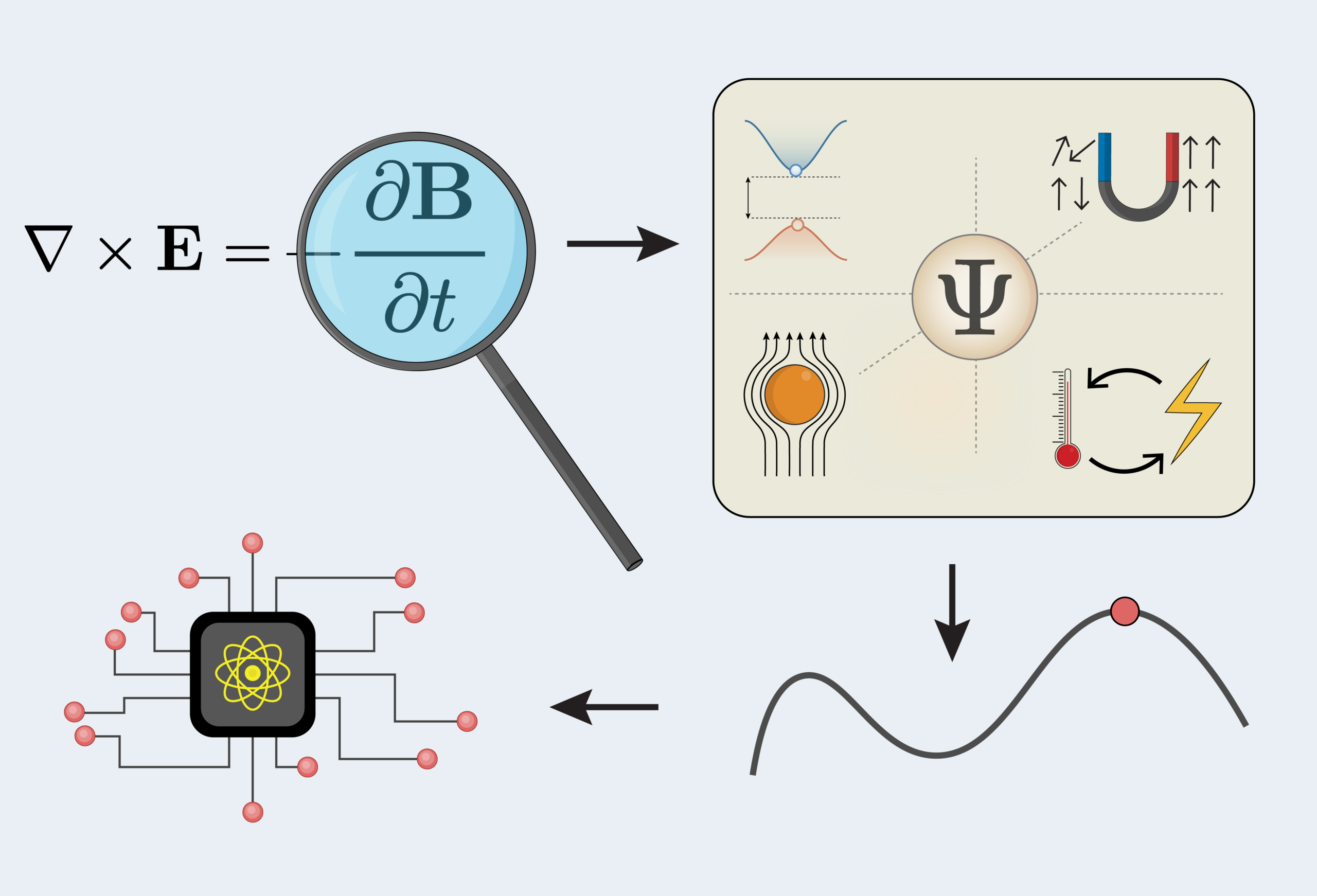
We incorporate physics into the development of machine-learning models that afford new opportunities to predict properties for physics and engineering applications; and predict chemical structures from physical properties via “inverse design” methods.
Selected publications:
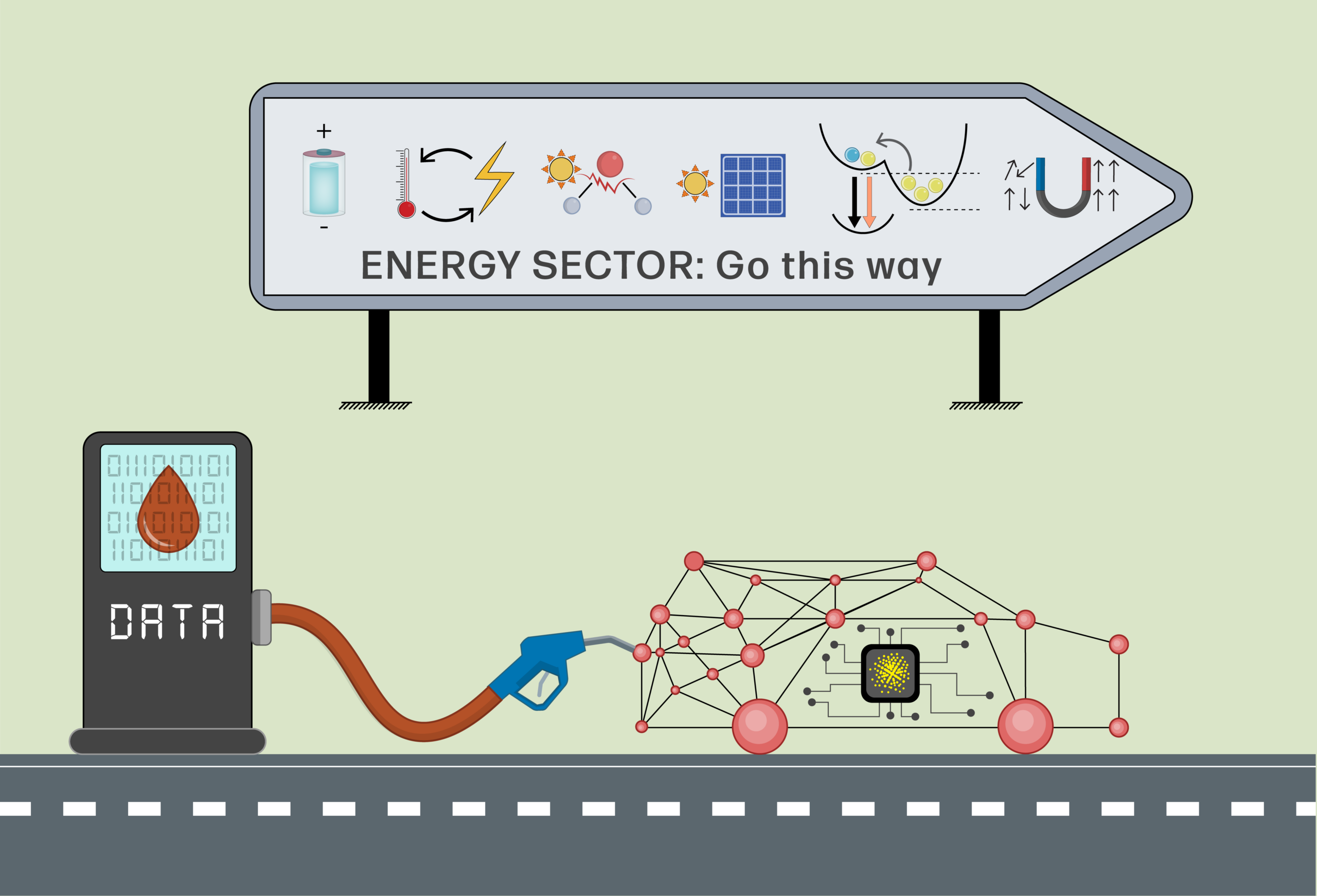
We apply our home-grown data-extraction software tools to create large experimental datasets about materials and their properties, which we use to train our AI models that are targeted at data-driven materials discovery. We have a special interest in using AI to discover new materials that support the energy sector and the green economy.
Selected publications:
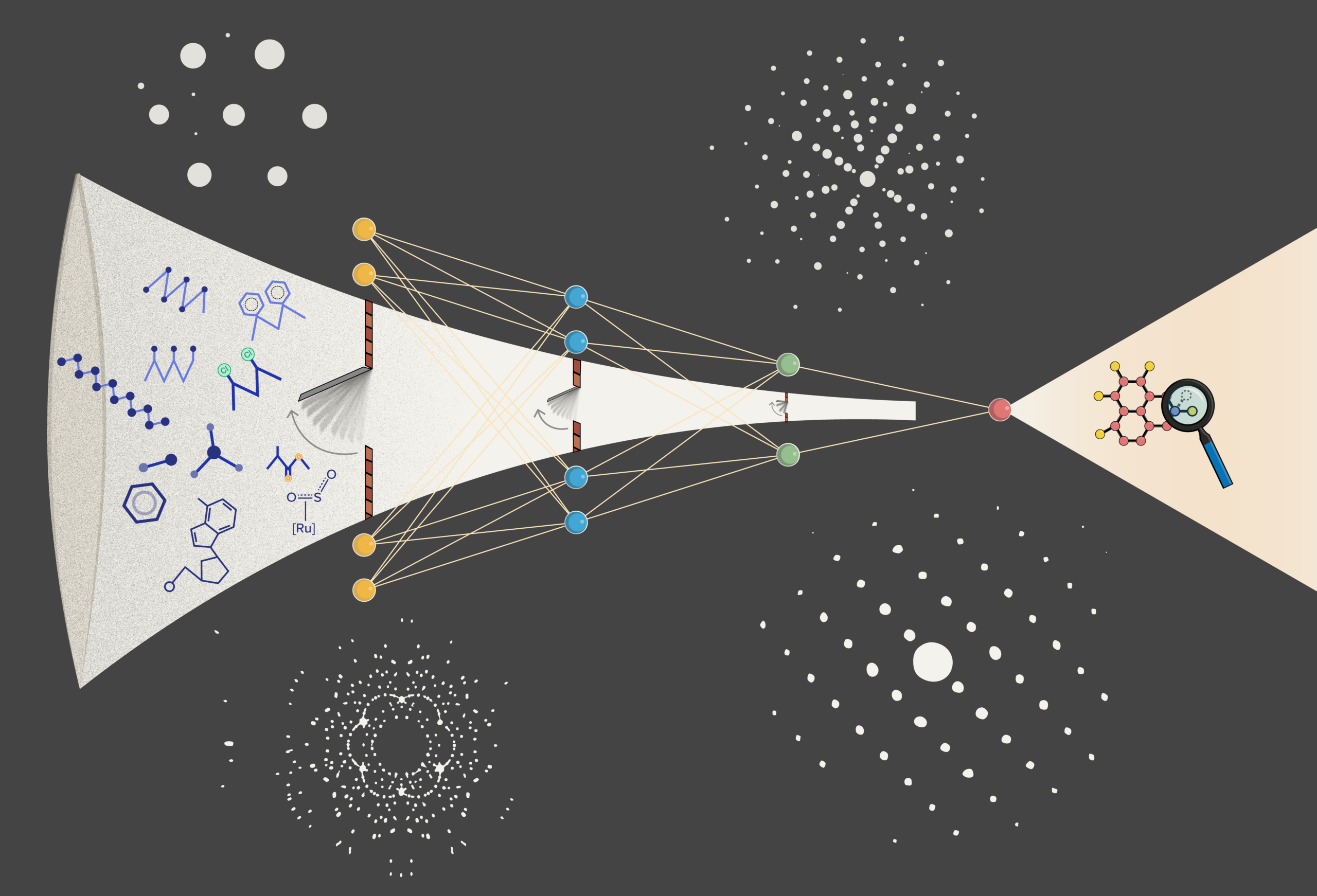
We deploy our home-built chemistry-aware software tools to extract chemical text and distil reaction schematics into their constituent parts (e.g., reactants, intermediates, products, adducts, reaction conditions). We can use this chemical knowledge to help develop machine-learning models that predict properties or discover new materials that are tailored to a chemical application.
Selected publications:
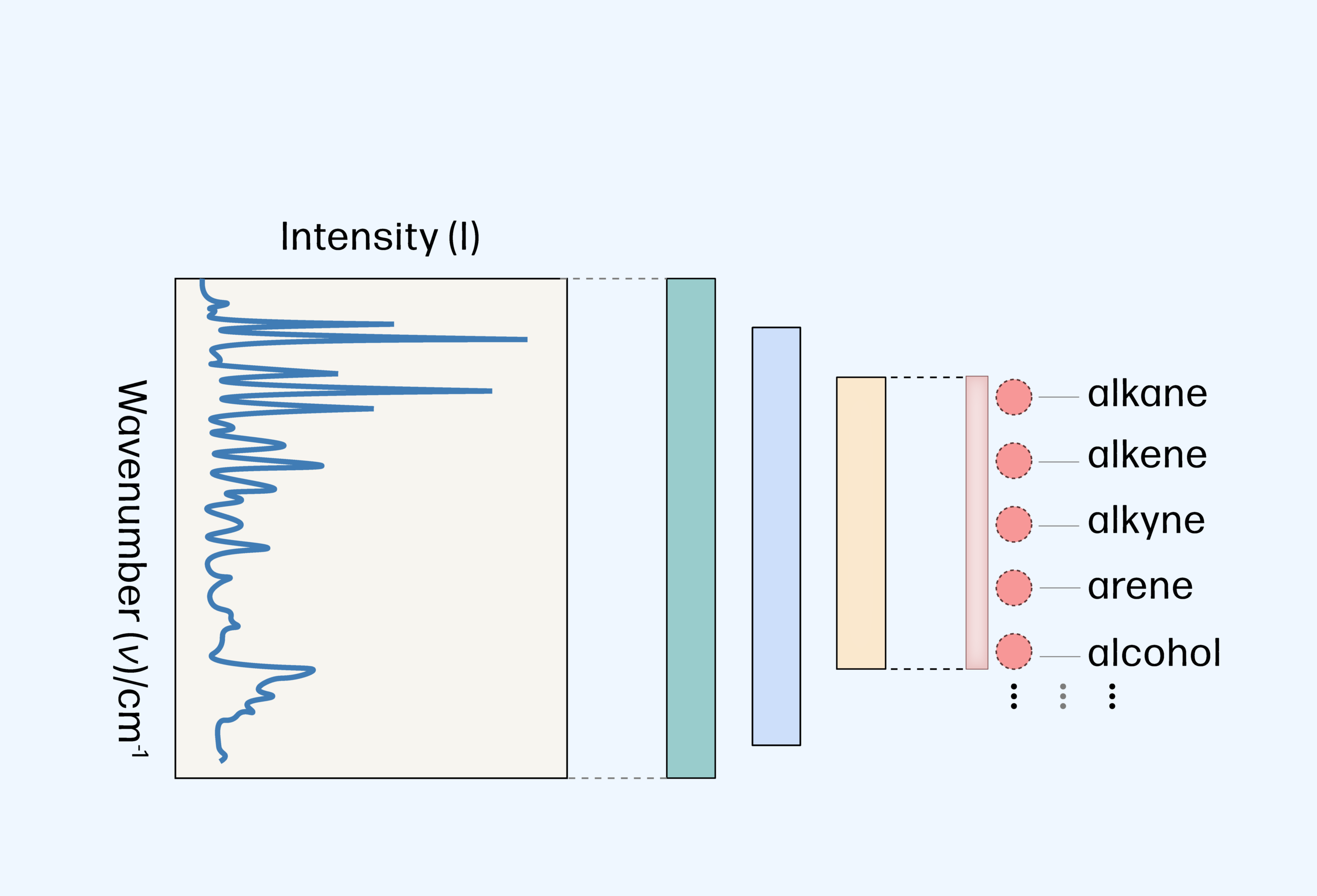
We are creating new machine-learning models that automatically process raw data from materials characterisation techniques. This automation will not only allow a researcher to expedite their analytical processes, it will also support the rapid advances in self-driving laboratories. We have already incorporated one of our models into the real-world operation of a spectrometer to demonstrate the power of our AI approach.
Selected publications:
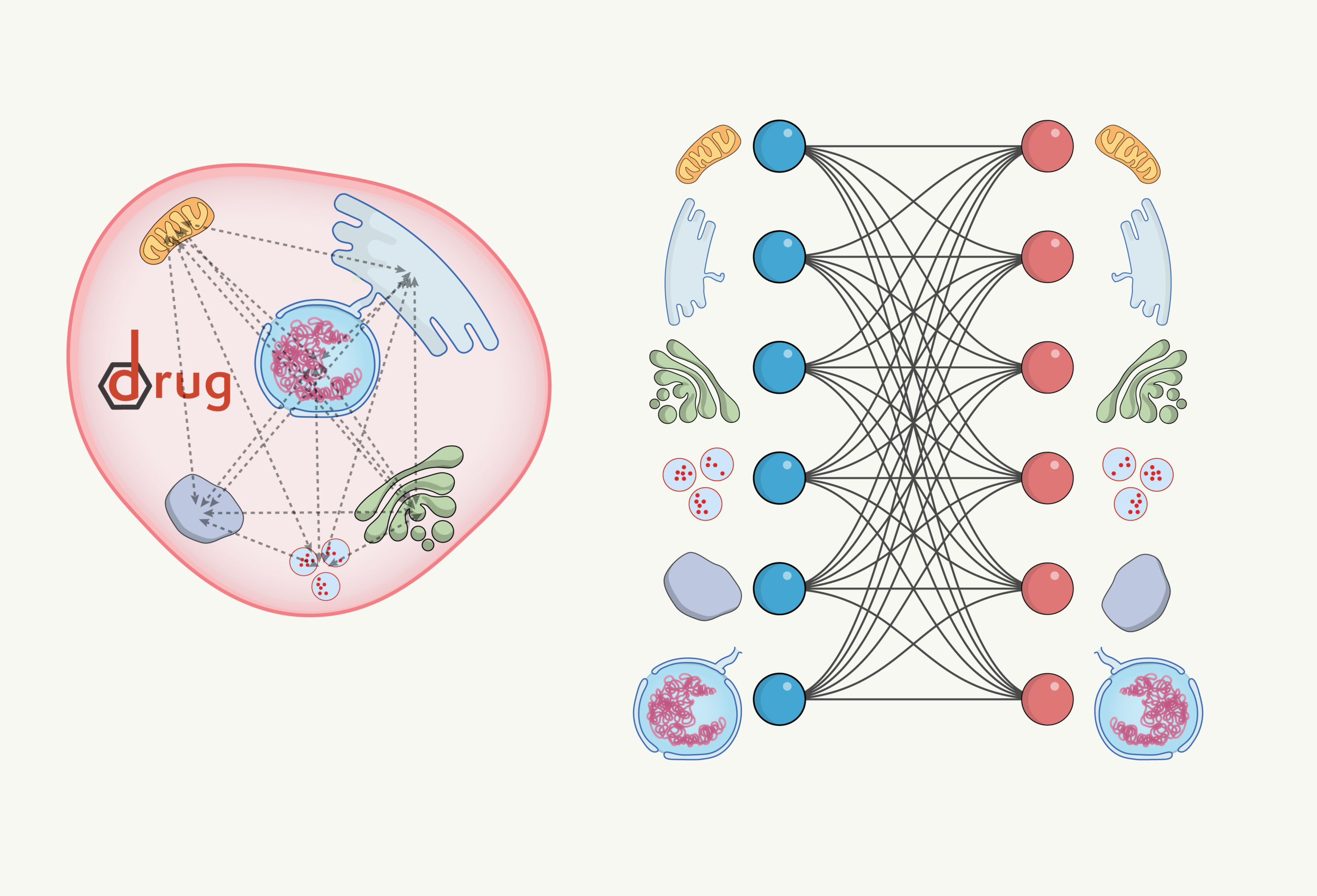
The current focus of this research theme is to use AI to help develop a VirtuAI cell, so that we can run in silico simulations of a biological cell for predictive biology. Such simulations could screen the dynamic nature of a new pharmaceutical drug as it is inserted into a cell; predict characteristics of pre-cancerous cell perturbations to help diagnose cells before they become cancerous; unlock new bioinformatics capabilities to understand the functional states of a cell; understand cell evolution via the in silico modelling of cell differentiation and specialisation. This project is being undertaken in collaboration with the Rosalind Franklin Institute.
Selected publications:
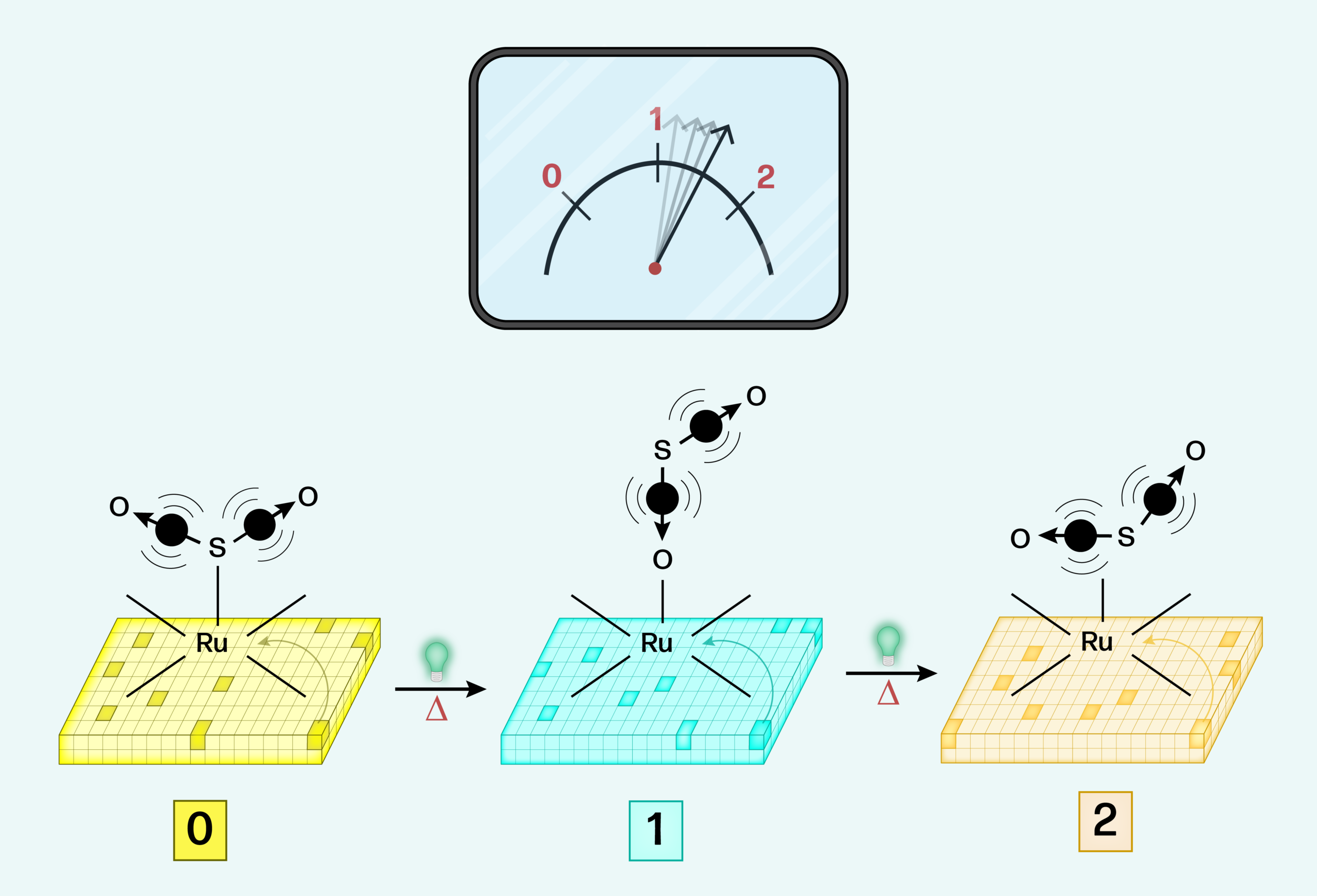
We are developing a series of new quantum materials that behave as single-crystal optical actuators. The crystals can peel, bend or fracture, once exposed to green light at low temperature (typically 100 K), a macroscopic phenomenon that is reversible upon heating. We uncover the molecular origins of the linkage photoisomerisation that is responsible for their optical actuation using in-situ light-induced single-crystal diffraction, spectroscopy and microscopy. Their optomechanical properties and binary or ternary photonic switching characteristics are being explored for quantum-sensing applications.
Selected publications:
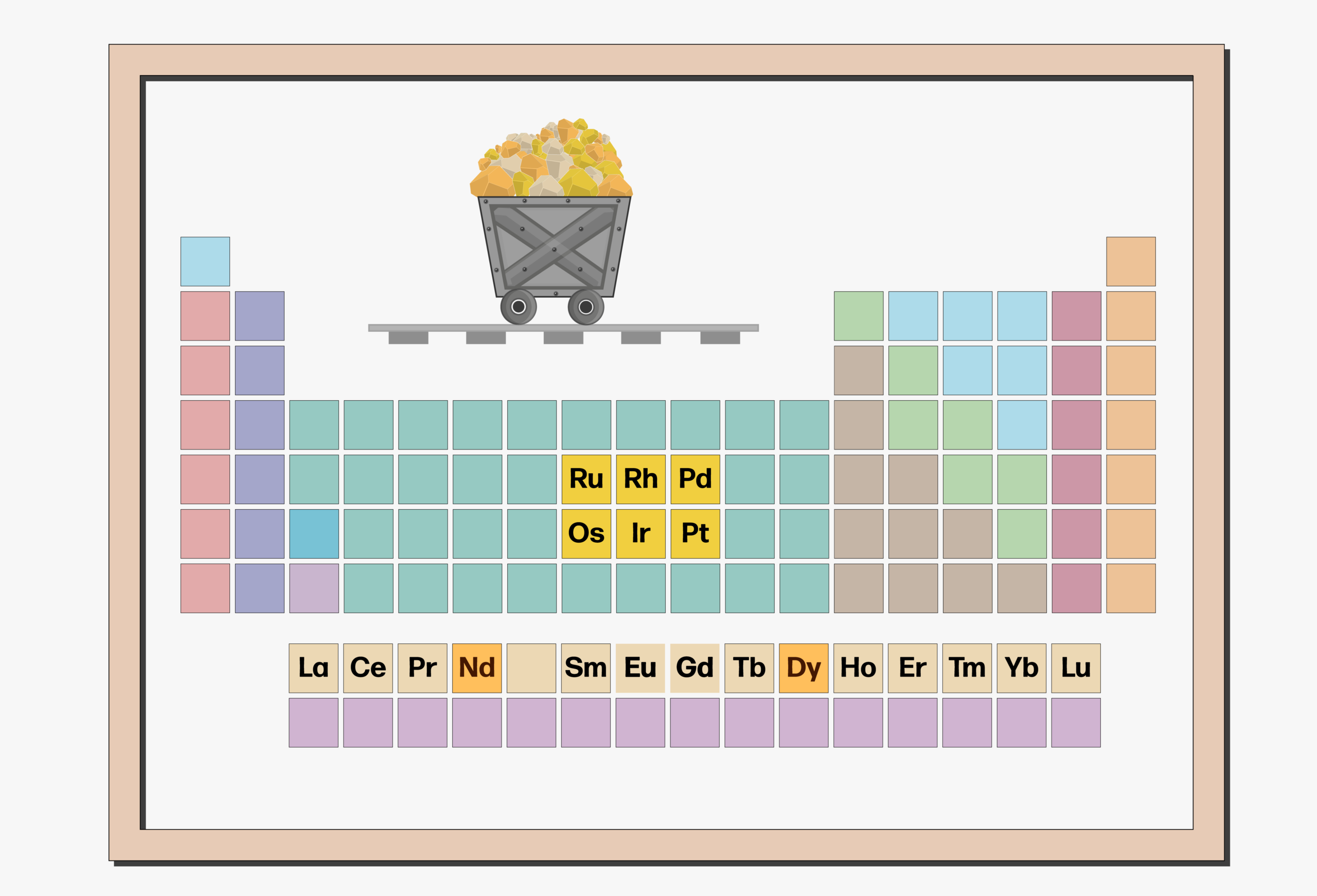
A country needs access to certain chemical elements or compounds wheresoever they constitute a critical component of a technologically useful product that the country wishes to produce domestically. However, these so-called critical raw materials are distributed very unevenly around the world, which has led to trade wars centred around supply-and-demand. Accordingly, the subject of critical raw materials has become a matter of intense geopolitical debate. We are exploring how AI can help reduce barriers to market by lessening this criticality via material substitution, recycling, stockpiling, reuse, diversification and strategic international partnerships. We have contributed to EU policy initiatives that help tackle this issue.
Selected policy engagement: